
Storage
Storage
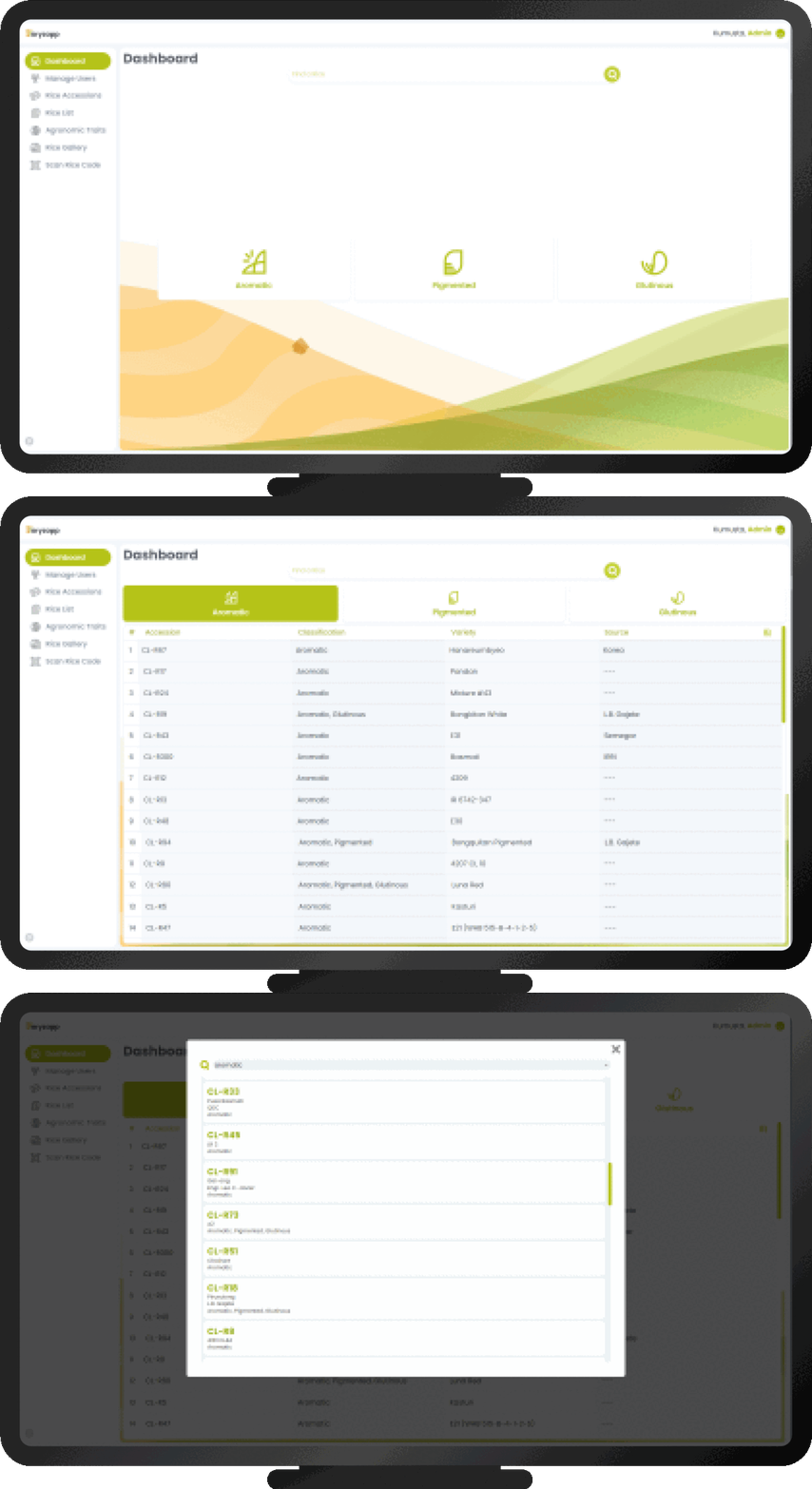
✔️Quick Search
✔️Quick Search
✔️Quick Search
The Administrator can search with any keyword in the Dashboard page to easily find the rice they're looking for. However, this is case sensitive and is yet to be improved.
The Administrator can search with any keyword in the Dashboard page to easily find the rice they're looking for. However, this is case sensitive and is yet to be improved.
The Administrator can search with any keyword in the Dashboard page to easily find the rice they're looking for. However, this is case sensitive and is yet to be improved.
✔️Rice Organization
✔️Rice Organization
✔️Rice Organization
We structured the rice data input process as follows:
We structured the rice data input process as follows:
We structured the rice data input process as follows:

Step 1 : Adding Rice Accessions:
Users start by inputting 'Rice Accessions.' These serve as unique identifiers for specific rice varieties. Details like ID, variety, classification, and source are captured. Imagine it like creating a 'student profile' in a school.
Step 1 : Adding Rice Accessions:
Users start by inputting 'Rice Accessions.' These serve as unique identifiers for specific rice varieties. Details like ID, variety, classification, and source are captured. Imagine it like creating a 'student profile' in a school.
Step 1 : Adding Rice Accessions:
Users start by inputting 'Rice Accessions.' These serve as unique identifiers for specific rice varieties. Details like ID, variety, classification, and source are captured. Imagine it like creating a 'student profile' in a school.
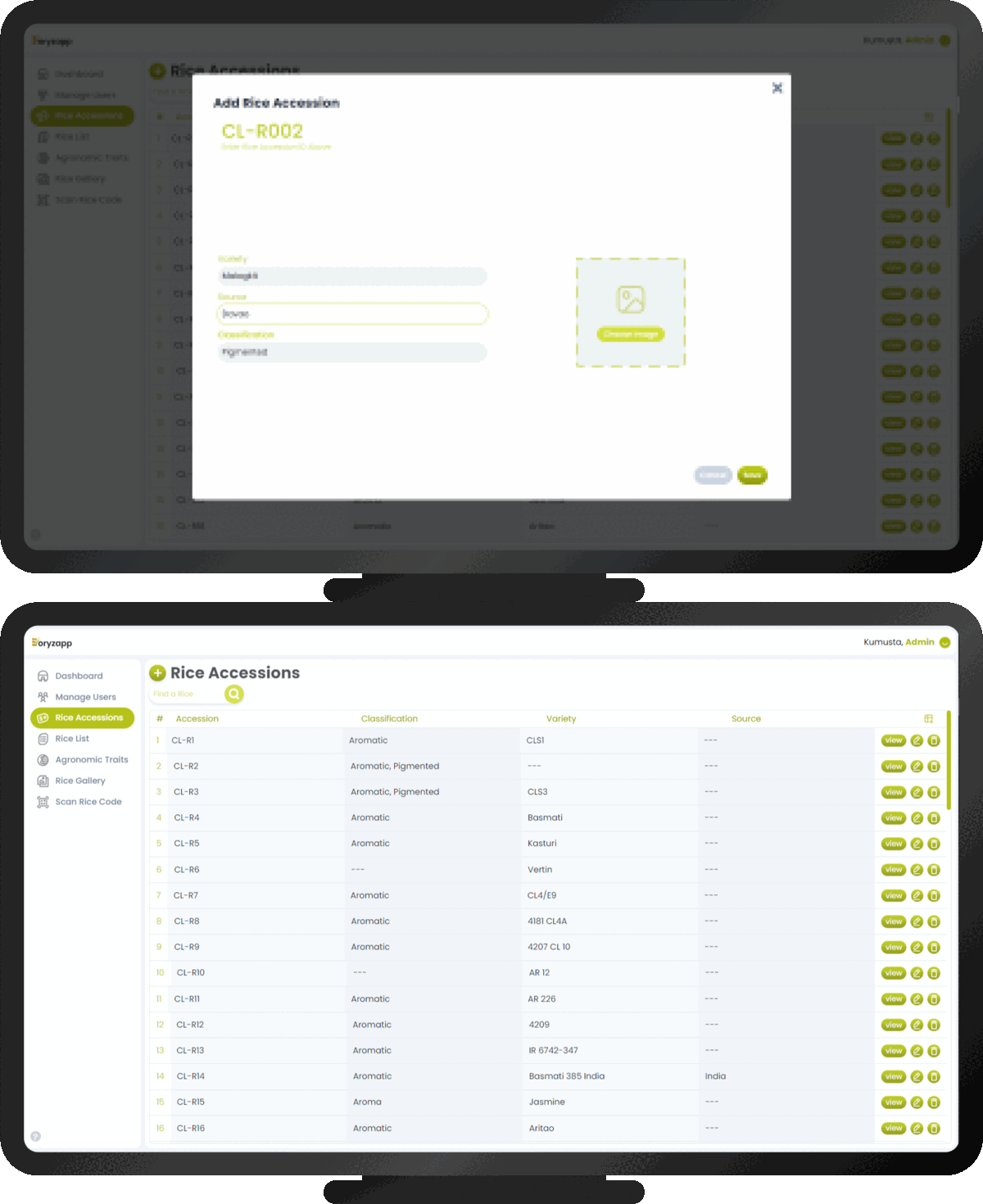

Step 2: Recording Agronomic Traits:
Once a Rice Accession is added, users record 'Agronomic Traits' for each accession. Traits are categorized into four sections: Vegetative Stage, Reproductive Stage, Grain Characteristics, and Yield Components.
This system is crucial because each accession might have data for different years and seasons, stored separately and systematically in the database.
Step 2: Recording Agronomic Traits:
Once a Rice Accession is added, users record 'Agronomic Traits' for each accession. Traits are categorized into four sections: Vegetative Stage, Reproductive Stage, Grain Characteristics, and Yield Components.
This system is crucial because each accession might have data for different years and seasons, stored separately and systematically in the database.
Step 2: Recording Agronomic Traits:
Once a Rice Accession is added, users record 'Agronomic Traits' for each accession. Traits are categorized into four sections: Vegetative Stage, Reproductive Stage, Grain Characteristics, and Yield Components.
This system is crucial because each accession might have data for different years and seasons, stored separately and systematically in the database.
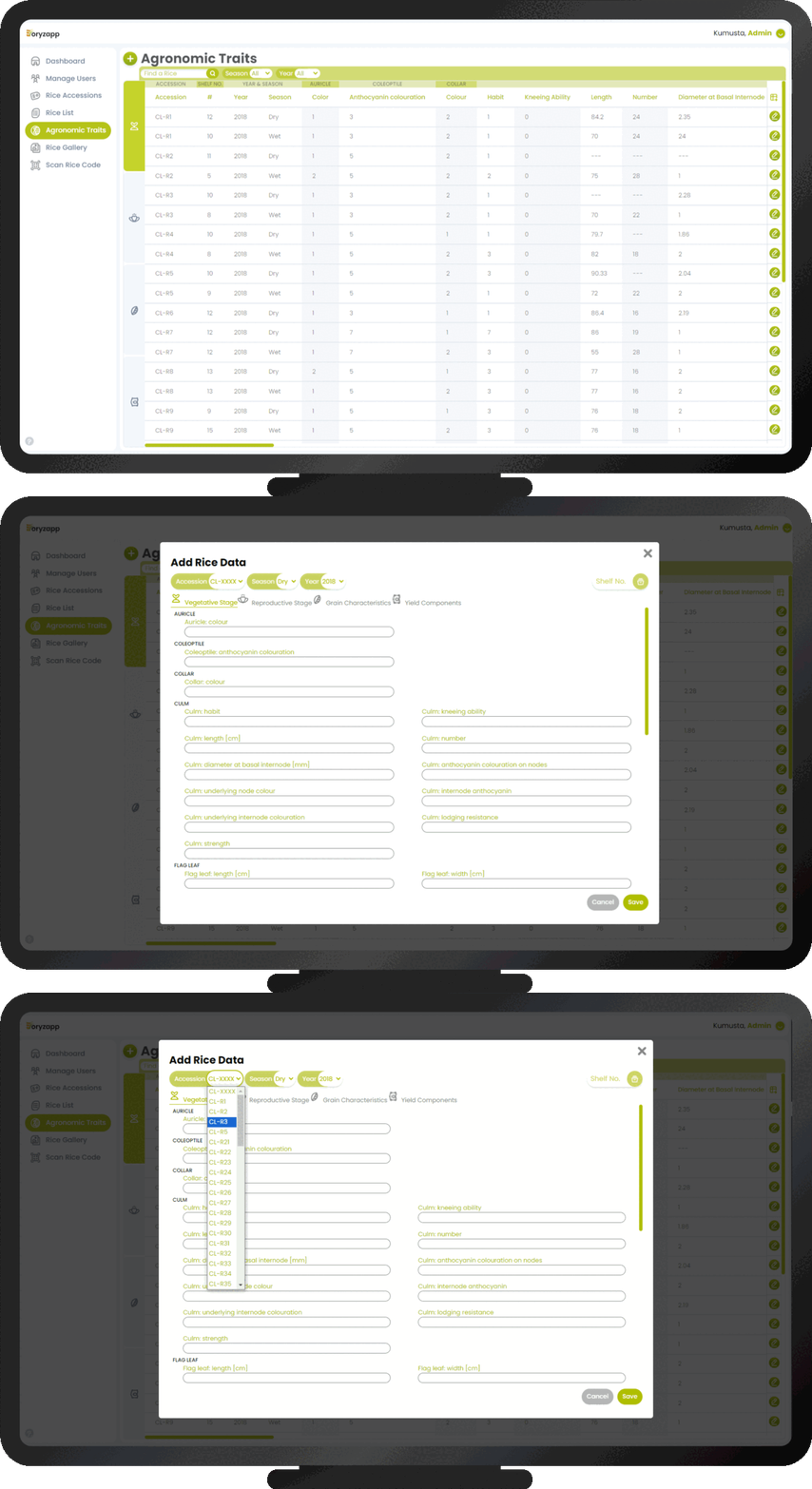
✔️Filter by Season and Year
✔️Filter by Season and Year
✔️Filter by Season and Year
In the Rice List, users can search by rice name and apply filters for season or year.
In the Rice List, users can search by rice name and apply filters for season or year.
In the Rice List, users can search by rice name and apply filters for season or year.
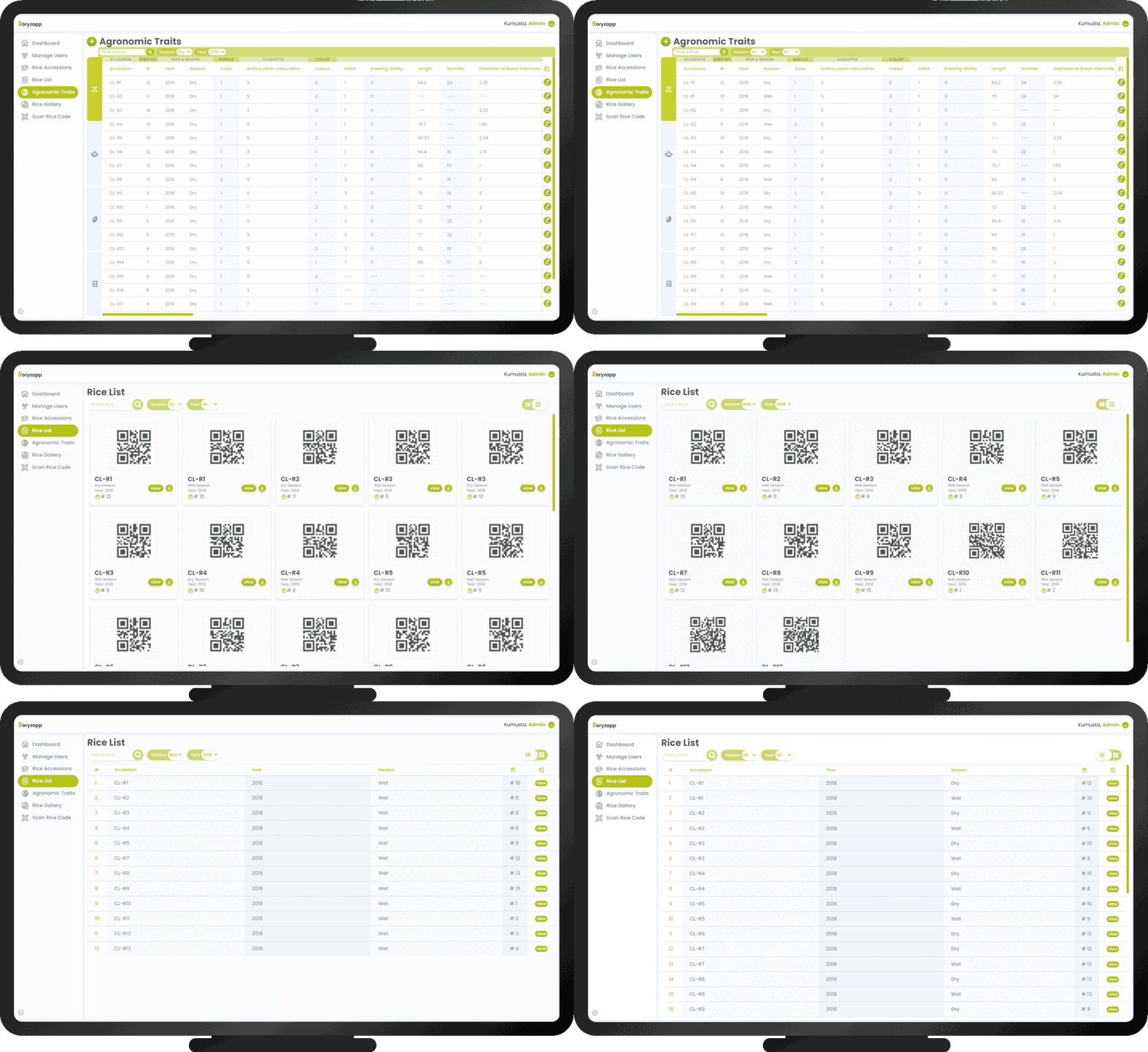
✔️Export as Excel Sheet
✔️Export as Excel Sheet
✔️Export as Excel Sheet
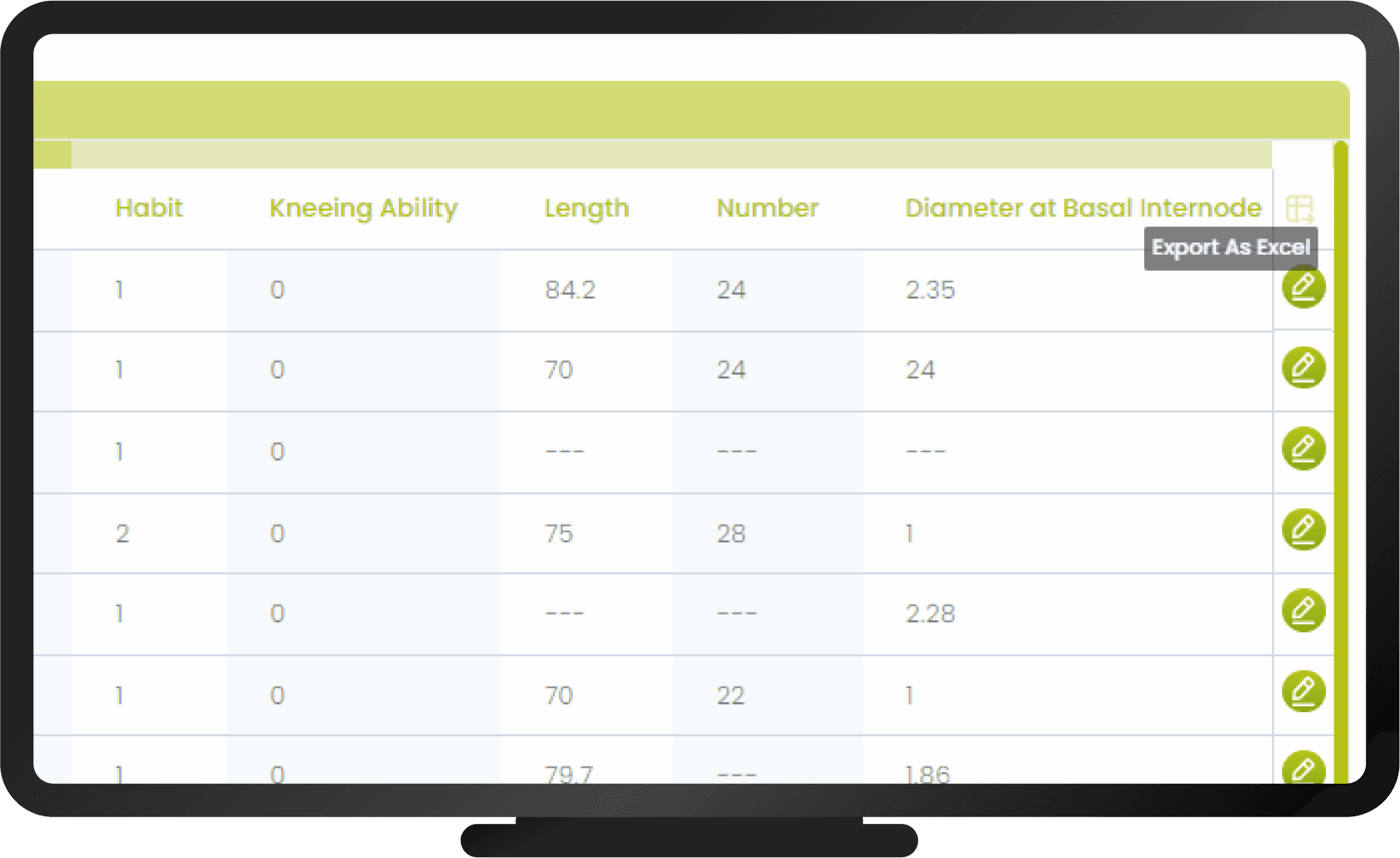
The admin can export data as Excel sheets from both Rice Accession and Rice List.
The admin can export data as Excel sheets from both Rice Accession and Rice List.
The admin can export data as Excel sheets from both Rice Accession and Rice List.

Security
Security
✔️Administrator and Guest
✔️Administrator and Guest
✔️Administrator and Guest
Non-administrators are referred to as "Guests," denoting their access level in the system designed for information sharing.
Non-administrators are referred to as "Guests," denoting their access level in the system designed for information sharing.
Non-administrators are referred to as "Guests," denoting their access level in the system designed for information sharing.
✔️Manage User Roles
✔️Manage User Roles
✔️Manage User Roles
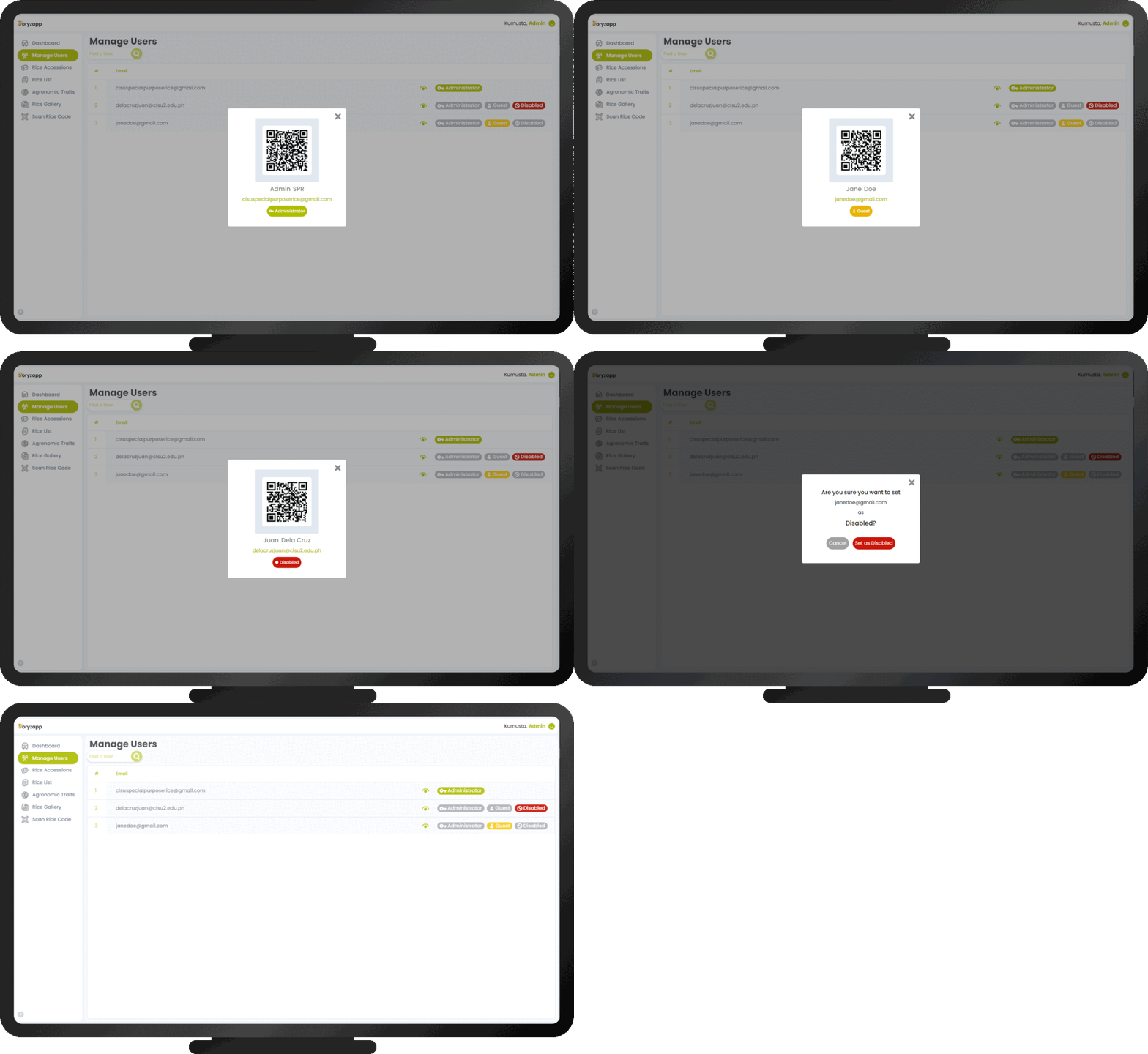
Admins can appoint other users as administrators. Once a user is designated as an admin, they cannot deactivate the default administrator.
Admins can appoint other users as administrators. Once a user is designated as an admin, they cannot deactivate the default administrator.
Admins can appoint other users as administrators. Once a user is designated as an admin, they cannot deactivate the default administrator.
✔️Limited data shared to Guests
✔️Limited data shared to Guests
✔️Limited data shared to Guests
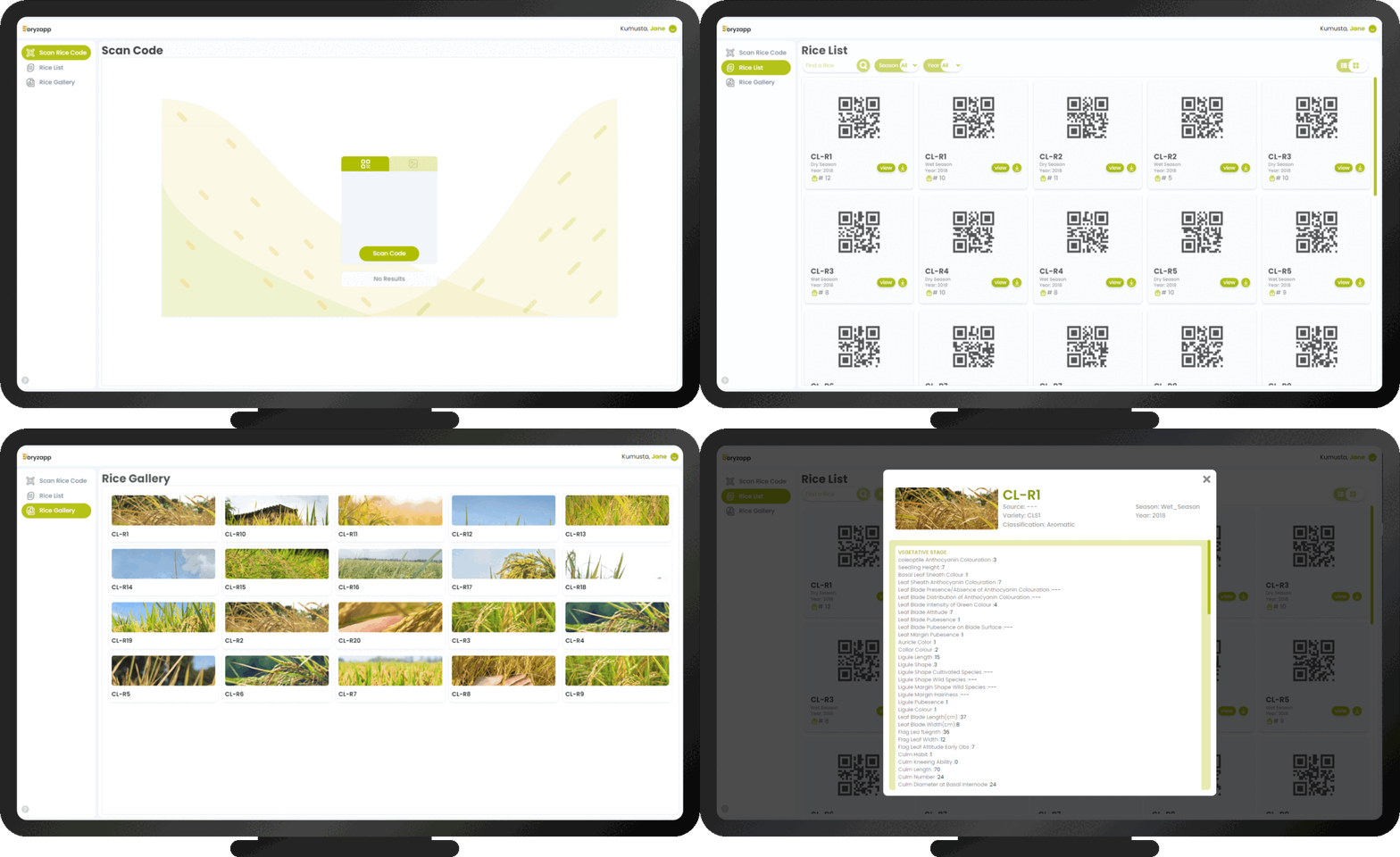
Guest users can scan rice codes, view the rice list and related information, and explore the rice gallery.
Guest users can scan rice codes, view the rice list and related information, and explore the rice gallery.
Guest users can scan rice codes, view the rice list and related information, and explore the rice gallery.

Accessibility
Accessibility
✔️Available on any device
✔️Available on any device
✔️Available on any device
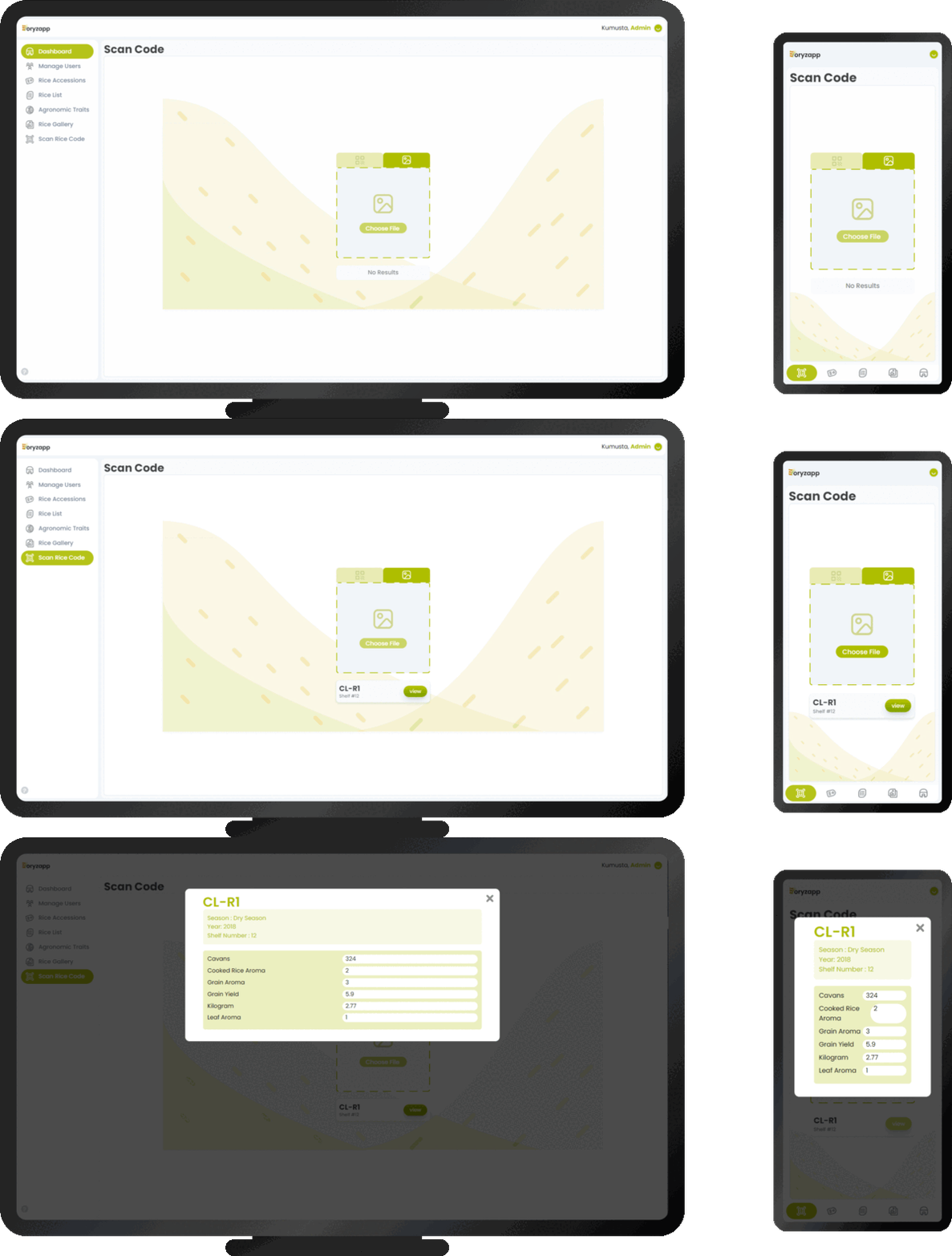
The system is a progressive web app accessible via browsers on Windows, Apple, and Android devices, functioning like a mobile app on Android phones.
The system is a progressive web app accessible via browsers on Windows, Apple, and Android devices, functioning like a mobile app on Android phones.
The system is a progressive web app accessible via browsers on Windows, Apple, and Android devices, functioning like a mobile app on Android phones.

QR-Code Integration
QR-Code Integration
✔️Login Using QR-Code
✔️Login Using QR-Code
✔️Login using QR-Code
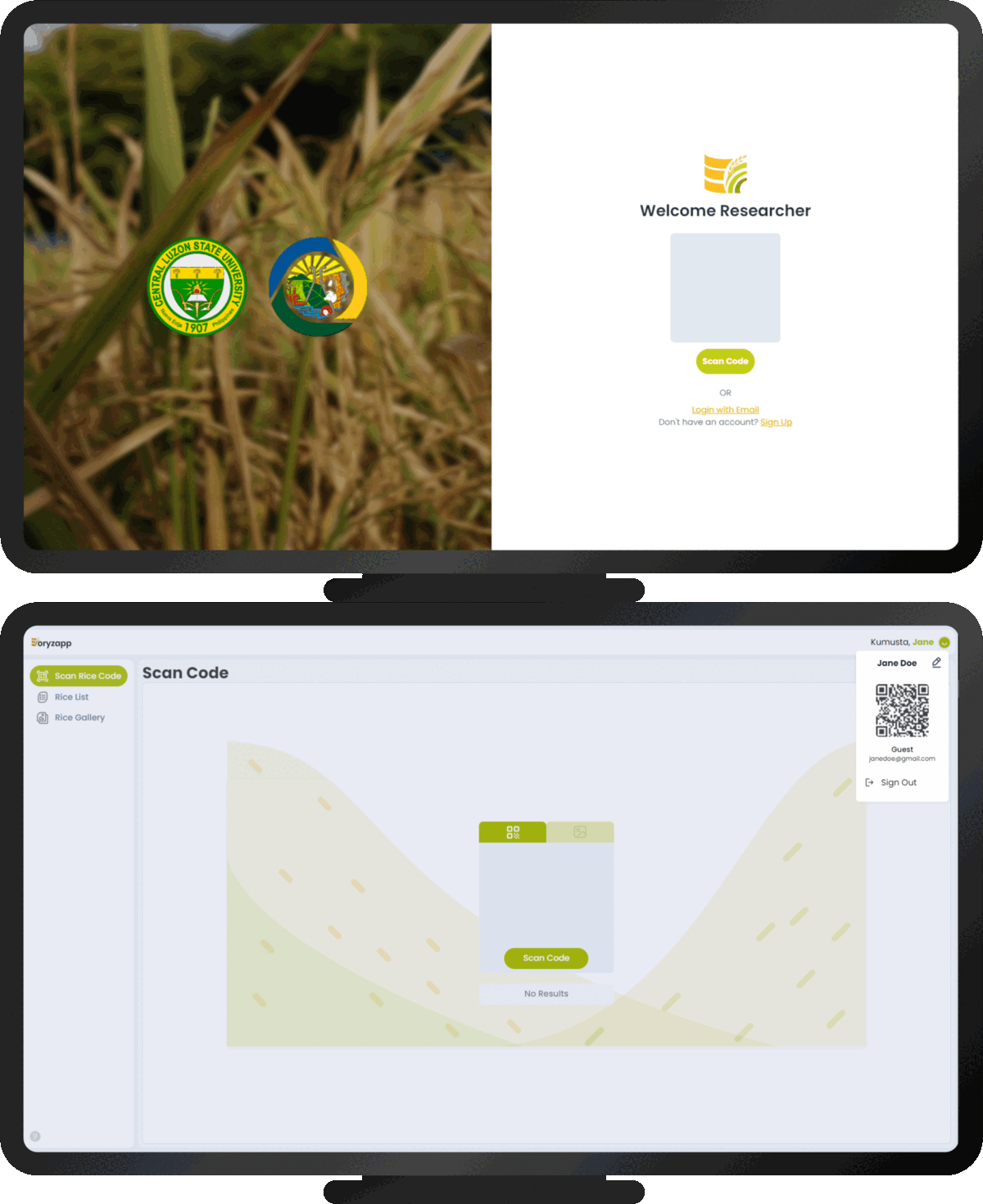
Users can log in using their downloaded QR code from their account settings.
Users can log in using their downloaded QR code from their account settings.
Users can log in using their downloaded QR code from their account settings.
✔️Rice QR-Code for Info
✔️Rice QR-Code for Info
✔️Rice QR-Code Info
Download the QR code for each rice record and scan it to access information. This is particularly useful in situations like cold storages, where identifying numerous rice packs is necessary, according to the researcher.
Download the QR code for each rice record and scan it to access information. This is particularly useful in situations like cold storages, where identifying numerous rice packs is necessary, according to the researcher.
Download the QR code for each rice record and scan it to access information. This is particularly useful in situations like cold storages, where identifying numerous rice packs is necessary, according to the researcher.